Professional Cleaning. Better Results. Less Stress.Lagos, Nigeria · 0809 992 5418
Cleaning Tips

Simple tips for cleaner clothes & fresher spaces.

Practical advice from the Smart Cleaners team to help Lagos households and businesses avoid common cleaning mistakes, protect their fabrics and keep everyday spaces looking their best.

Featured Articles

Learn before you clean.

Open any article for the complete guide, then contact us when you need professional help.

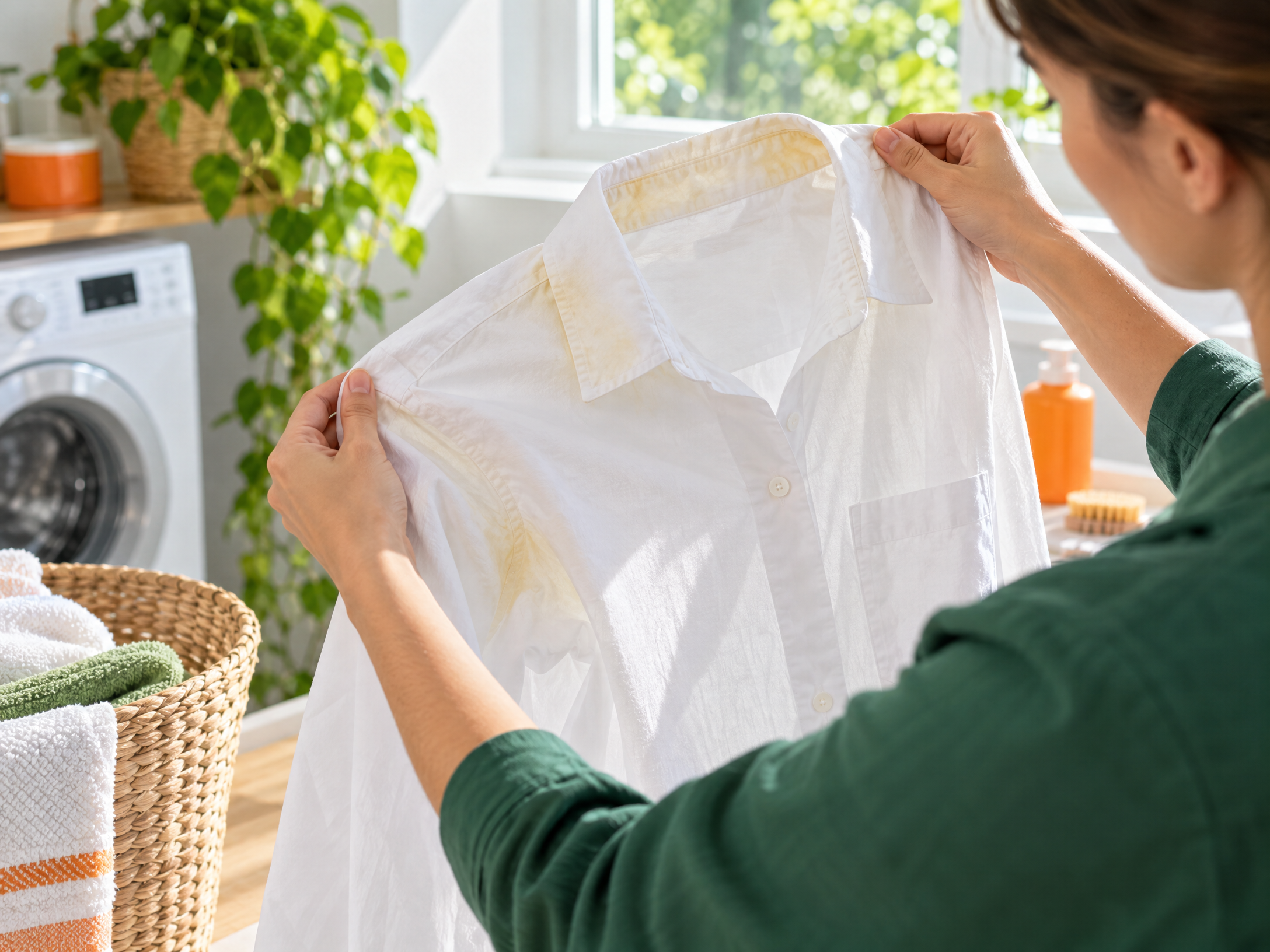
White cotton shirt being inspected for yellowing around the collar
Laundry care

Why Do White Clothes Turn Yellow?

White garments can gradually lose their brightness because of body oils, sweat, residue, moisture and untreated stains.

Read the full tip

Yellowing usually develops slowly. Sweat and body oils collect around collars, cuffs and underarms, while detergent that is not fully rinsed out can leave a dull film. Storing clothes before they are completely dry may also create a stale yellow cast, especially in humid weather.

Start by treating marks early instead of repeatedly washing the entire garment with stronger products. Separate whites from coloured fabrics, avoid overloading the machine and use the correct detergent dose. Check care labels before using bleach because chlorine can weaken fibres or react badly with some finishes.

For shirts that have already yellowed, tell us what the fabric is and what has been tried before. A professional assessment helps reduce the risk of setting the stain or damaging the weave.
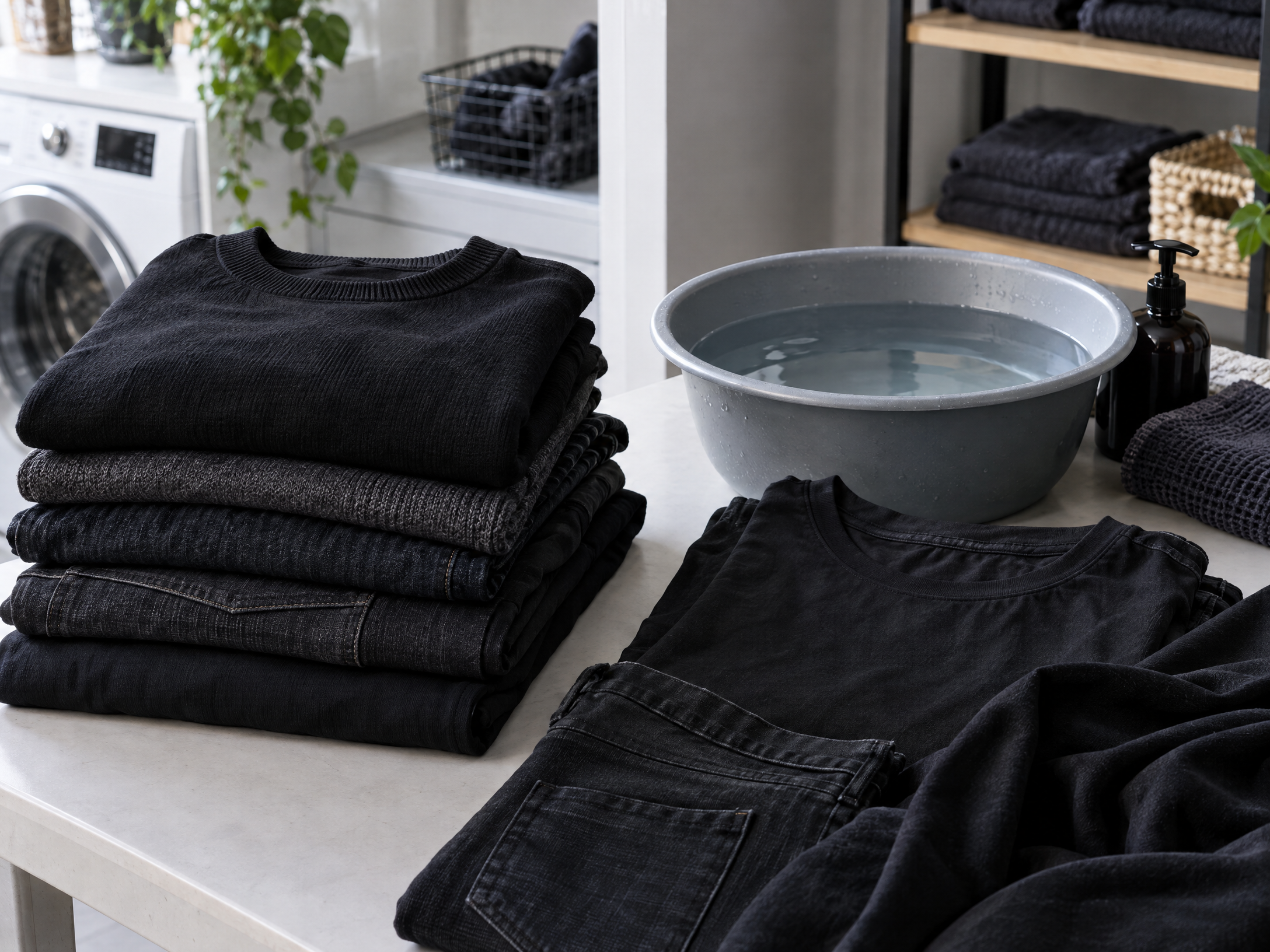
Black and charcoal clothes sorted for gentle colour care
Colour care

Why Do Black Clothes Fade?

Heat, friction, strong detergents and direct sunlight can make dark clothes look grey before their time.

Read the full tip

Black fabric loses depth when dye is released during washing or when the surface fibres become rough. Hot water, long wash cycles, overloading and repeated tumble drying all increase stress on the colour. Direct sunlight can also fade garments while they dry.

Turn dark clothes inside out before washing, use a cool or lukewarm cycle and choose a detergent designed for coloured fabrics. Wash similar shades together, avoid leaving garments soaking for too long and dry them in shade with good airflow. Do not use more detergent than the label recommends; excess product can leave a pale-looking residue.

When a dark suit, native outfit or delicate black garment matters, professional care can help preserve its shape and finish better than repeated home experiments.

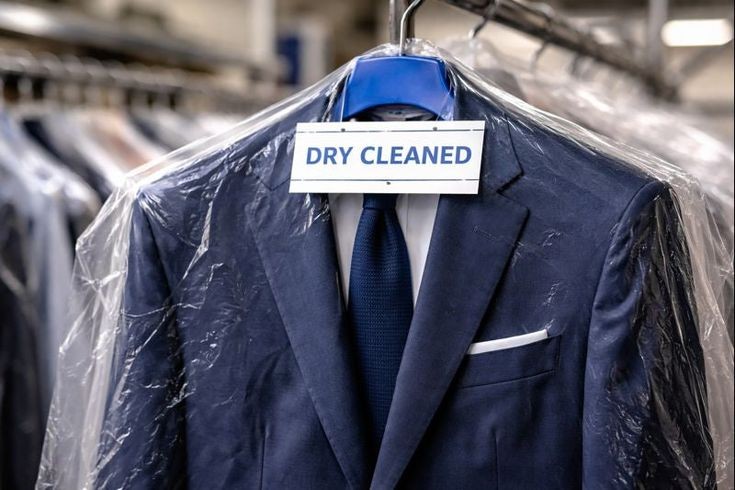
Tailored suit being brushed and inspected by a garment-care professional
Dry cleaning

Why Your Suit Shouldn't Be Treated Like an Ordinary Shirt

A suit contains structure, lining and tailored construction that can be damaged by the wrong washing or drying method.

Read the full tip

A tailored suit is more than its outer fabric. Its lining, shoulder structure, interlining and pressed seams are designed to hold a specific shape. A normal wash cycle can cause shrinkage, bubbling, colour change or loss of the clean lines that make the suit fit properly.

After wearing a suit, air it out and use a broad hanger that supports the shoulders. Brush away surface dust and treat small marks promptly, but do not scrub aggressively or soak the jacket without checking the care label. Avoid storing it while damp or compressed.

When the garment needs a deeper clean, share any stain history with the cleaner. We can inspect the fabric, lining and construction first and recommend the safest treatment rather than assuming every suit should be handled exactly the same way.

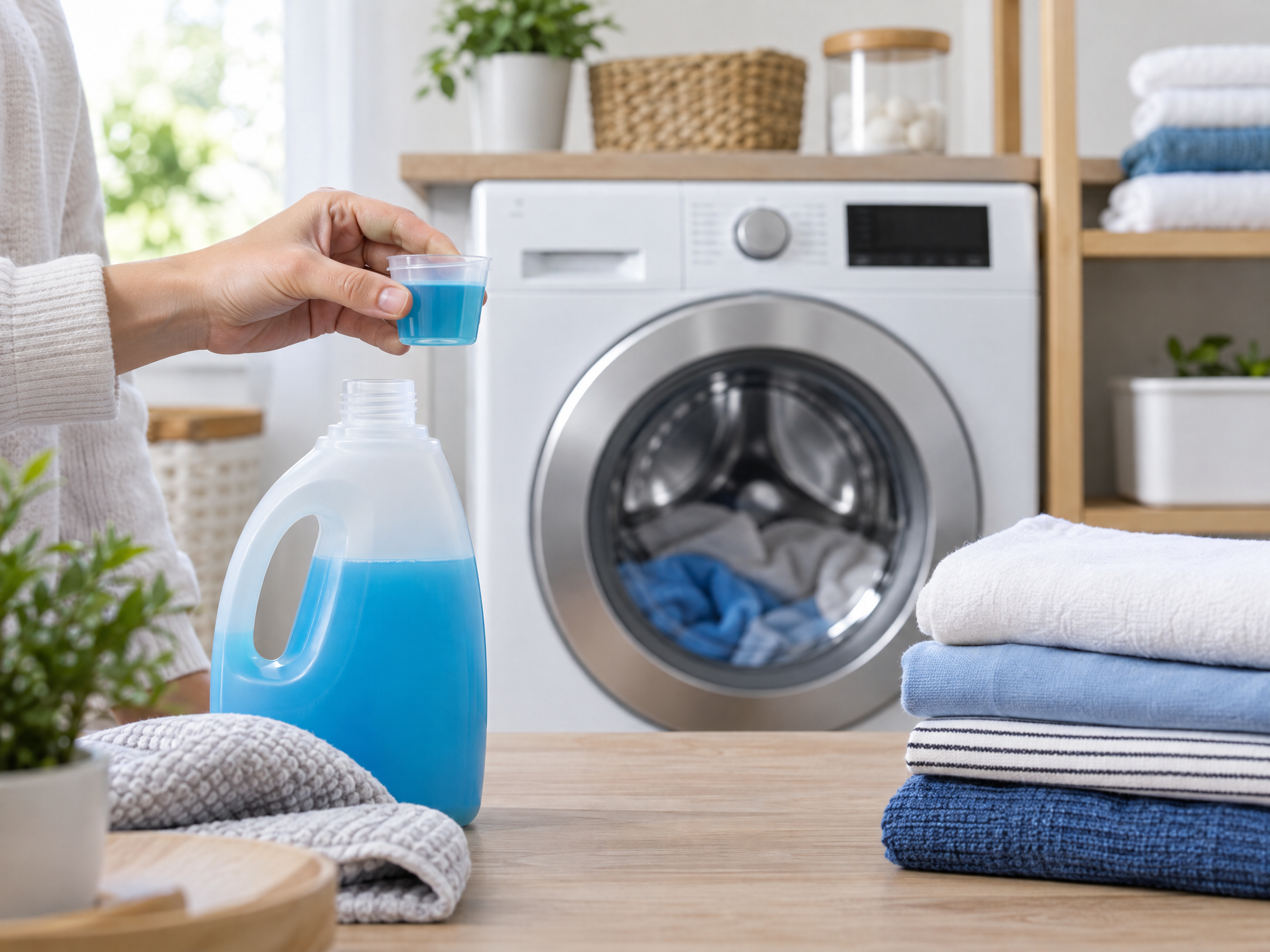
Correct amount of liquid detergent being measured beside a washing machine
Wash smarter

Can Too Much Detergent Damage Your Clothes?

More detergent does not always mean cleaner clothes; excess product can leave residue and make fabrics feel stiff or dull.

Read the full tip

Detergent needs water, movement and rinsing to work properly. When too much is added, the machine may struggle to remove all of it. The result can be a waxy or stiff feel, dull colours, a strong smell and residue trapped near seams or elastic.

Use the measuring guidance on the detergent label and adjust for the load size, soil level and water hardness. Do not fill the machine beyond its recommended capacity, because crowded clothes cannot move freely or rinse well. If a garment already feels coated, run an appropriate rinse cycle instead of adding more soap.

Cleaning products also need safe storage. Keep them away from children, never mix bleach with ammonia or acids and follow the product instructions. If residue keeps returning, the problem may be the machine, the water or the fabric—not a lack of detergent.

Freshly cleaned white shirts hanging neatly in a bright finishing area
Everyday routine

How to Keep Your White Shirts White

A few consistent habits can help white shirts stay bright, fresh and presentable for longer.

Read the full tip

Separate white shirts from colours and wash them before sweat and body oils have time to settle. Pay special attention to collars and cuffs, where skin oils and grooming products often build up. Gently pre-treat those areas with a suitable product, allowing it to work without hard scrubbing.

Use the right amount of detergent, avoid overloading the machine and choose a water temperature suitable for the fabric. Rinse thoroughly and dry shirts completely before folding or storing them. Damp storage is one of the fastest ways to create odour and discolouration.

Iron or press the shirt according to its care label, and rotate frequently worn shirts so each one can rest between uses. When a shirt has stubborn yellowing, ink, rust or an unknown mark, ask for an assessment before trying strong chemicals.

Wool sweater and cotton shirt being checked for fabric-care and shrinkage risk
Fabric care

Why Do Clothes Shrink After Washing?

Water temperature, agitation, fibre type and high drying heat can all change the size and shape of a garment.

Read the full tip

Shrinkage is most common when heat and movement cause fibres to tighten. Wool, cotton, viscose and some blends respond differently, and a garment may shrink more in a hot wash or tumble dryer than it would in a cool, gentle cycle.

Read the care label before washing. Use cool water for garments that are labelled delicate, avoid high heat unless the fabric allows it and do not wring structured or knitted items aggressively. Lay knitwear flat when the instructions call for it and keep it away from direct heat while it dries.

If an item is valuable, fitted or made from a fabric you do not recognize, professional cleaning is safer than guessing. We can check the construction and recommend a treatment that respects the garment's shape.

Need Help?

Have a difficult stain, fabric or space?

Don't experiment on an expensive garment or a delicate surface. Tell us what needs cleaning and let our team recommend the next step.

ASK SMART CLEANERS